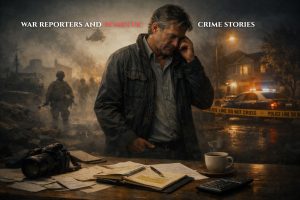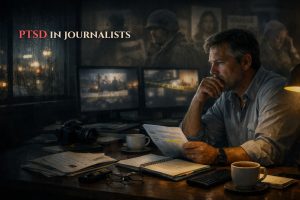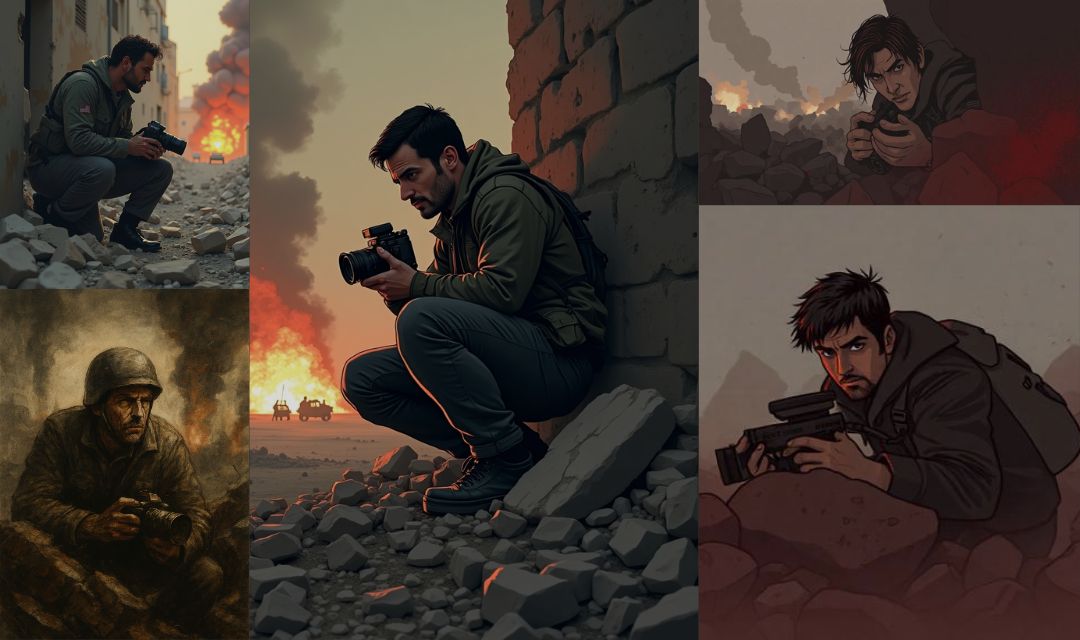
Can you imagine witnessing something so traumatic, like seeing people killed, raped, and tortured, and still having the courage to record it? Knowing that recalling these moments can trigger deep trauma again, yet pressing on because telling the truth matters. This is what war journalism asks of reporters. It takes incredible bravery to go into conflict zones and report stories from the battlefield. It is not just reporting events. It is about capturing the reality of war, no matter how harsh, to make sure the world sees the truth.
War journalists face dangers every day. They are exposed to violence, life-threatening situations, and the heavy emotional weight of human suffering. Many suffer from stress and trauma because the stories they cover are not just stories. They stick with them long after the cameras are off. Despite this, they continue because their work informs the world and holds power accountable. Truth in war reporting is especially hard to find and share. Severe risks and ethical challenges surround every news report. Yet war journalists push through, often at great personal cost, to bring us stories from the frontlines that might otherwise be hidden.
Finding Anna by Jeff McCoy offers a vivid example of this struggle. It shows what it is like to be a photojournalist in a war zone, witnessing brutality and chaos while trying to document history honestly. These stories remind us of the courage and sacrifice behind every headline from conflict zones. War journalism is hard. Painful. Dangerous work. But it is vital because through it, the world understands the true cost of war and the strength of human spirit in the darkest times.
Covering armed conflict means journalists can experience physical dangers like landmines, sniper fire, and explosions. These risks are compounded by restricted access, language barriers, and logistical challenges in hostile environments. Beyond the physical threats, many war reporters suffer from post-traumatic stress disorder (PTSD), anxiety, and burnout due to constant exposure to violence and human suffering. Media organizations often struggle to offer adequate protection, leaving journalists vulnerable. Despite this, the dedication to uncovering hidden truths keeps many reporters returning to conflict zones, fully aware of the risks involved.
Additionally, one of the biggest challenges in war journalism is how to report truthfully while protecting sources and the journalist’s own safety. Ethical decisions arise about what to show or withhold, especially when graphic violence risks harming audiences or endangering lives. Reporters must balance the urgent need to inform the public with the responsibility to avoid sensationalism.
Stories From the Battlefield: Real Voices, Real Impact
War journalism offers readers and viewers a glimpse into the human side of conflict. Jeff McCoy, through this story, vividly shares the harrowing experiences of a photojournalist traveling alongside soldiers in deadly raids. It exposes not only the horrors of war, including atrocities and psychological trauma, but also the resilience and hope found amid despair.
Such stories are essential. They put faces on statistics, reveal untold perspectives, and often influence public opinion and policy decisions. War journalists bring light to forgotten or ignored crises, emphasizing that behind every conflict are real lives at stake.
Significance of War Journalism
War journalism plays a vital role in global awareness. It holds those in power accountable, documenting war crimes and human rights abuses that could otherwise go unreported. This journalism also fosters empathy by humanizing the victims of war to distant audiences. However, it remains a precarious profession with few protections, requiring not just skill and courage but a deep ethical commitment. As conflicts evolve and the media landscape changes, the importance of trained, professional war journalists is stronger than ever. Nevertheless, War journalism is a perilous but essential craft. The stories from the frontlines whether from a sniper’s crossfire or the aftermath of a siege remind us why honest, courageous reporting is indispensable to understanding our world. Behind every war correspondent is the dangerous pursuit of truth, shaped by risk, resilience, and the relentless drive to tell stories from the battlefield.